Retweeted from @DeFaakto:
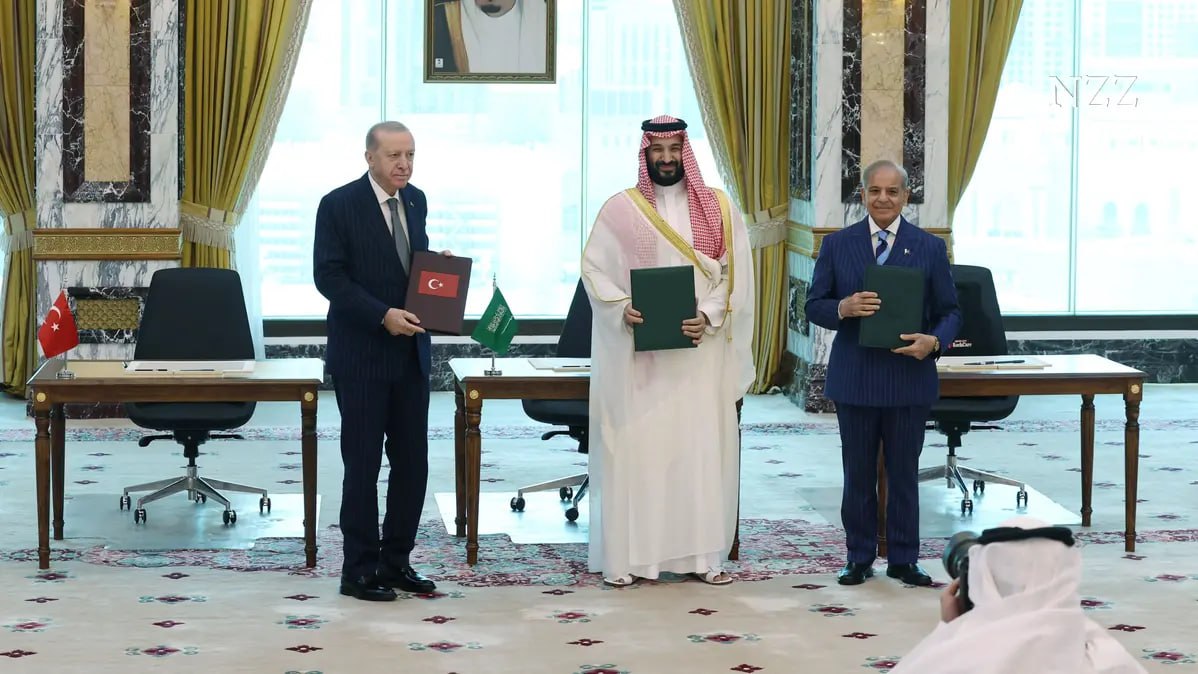
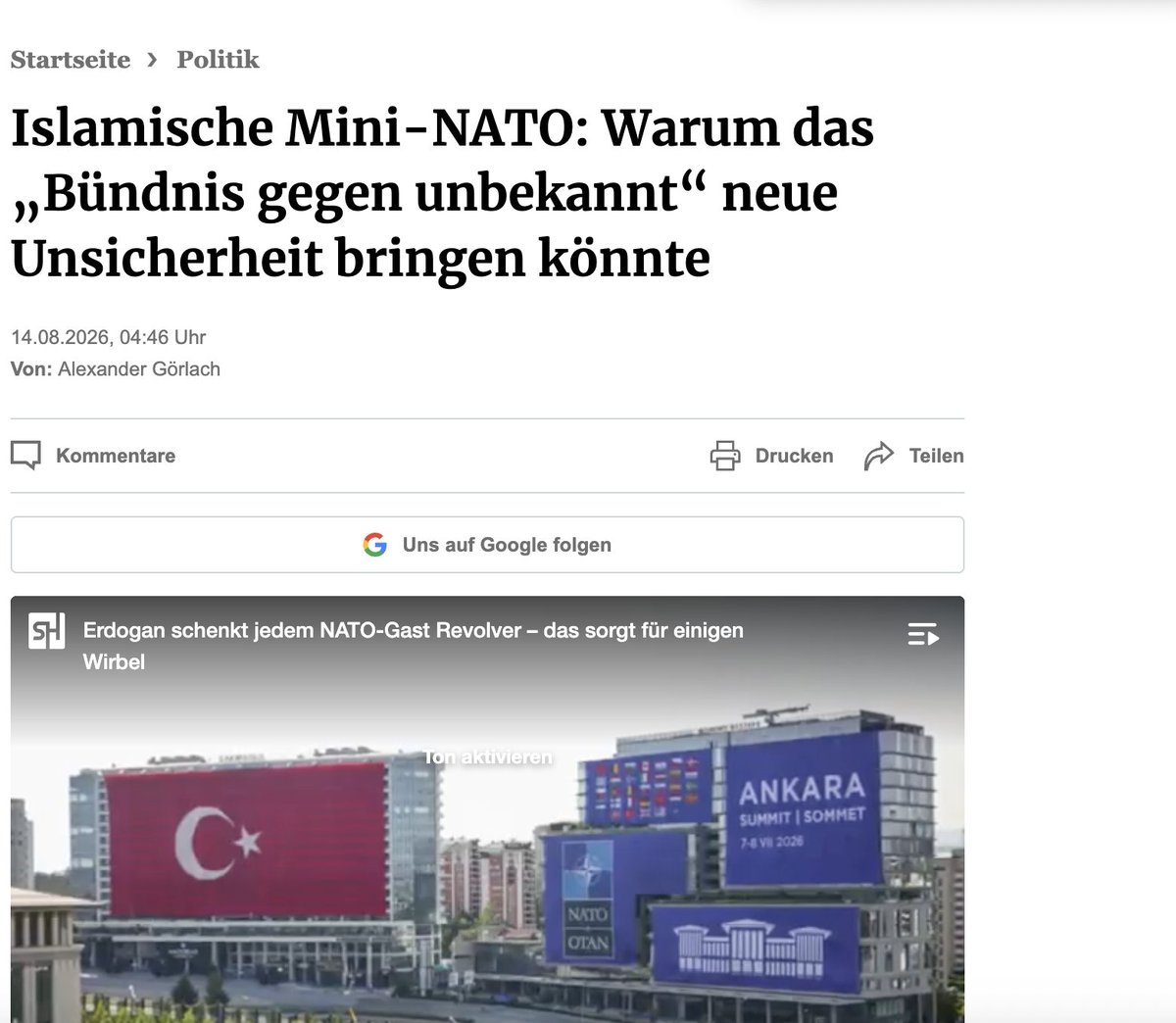
A German analysis published in Frankfurter Rundschau dissects the 'Mecca Agreement' between Saudi Arabia, Turkey, and Pakistan, asking a question rarely posed directly: Is this 'Islamic mini-NATO' creating security or chaos? The pact combines a large Turkish military with an advanced defense industry, Pakistan's nuclear arsenal, and immense Saudi financial power, but the author argues raw strength alone does not forge an effective military alliance.
The key question is against whom this alliance is actually directed. The answer, as the analysis sees it, is 'against the unknown.' NATO had a clear enemy in the Soviet Union and later regained purpose through Russia's war in Ukraine; this new bloc has no such defined adversary. Turkey officially insists it targets no specific state, but the article notes that Israel, given Erdoğan's history of antagonism, does not believe the reassurances.
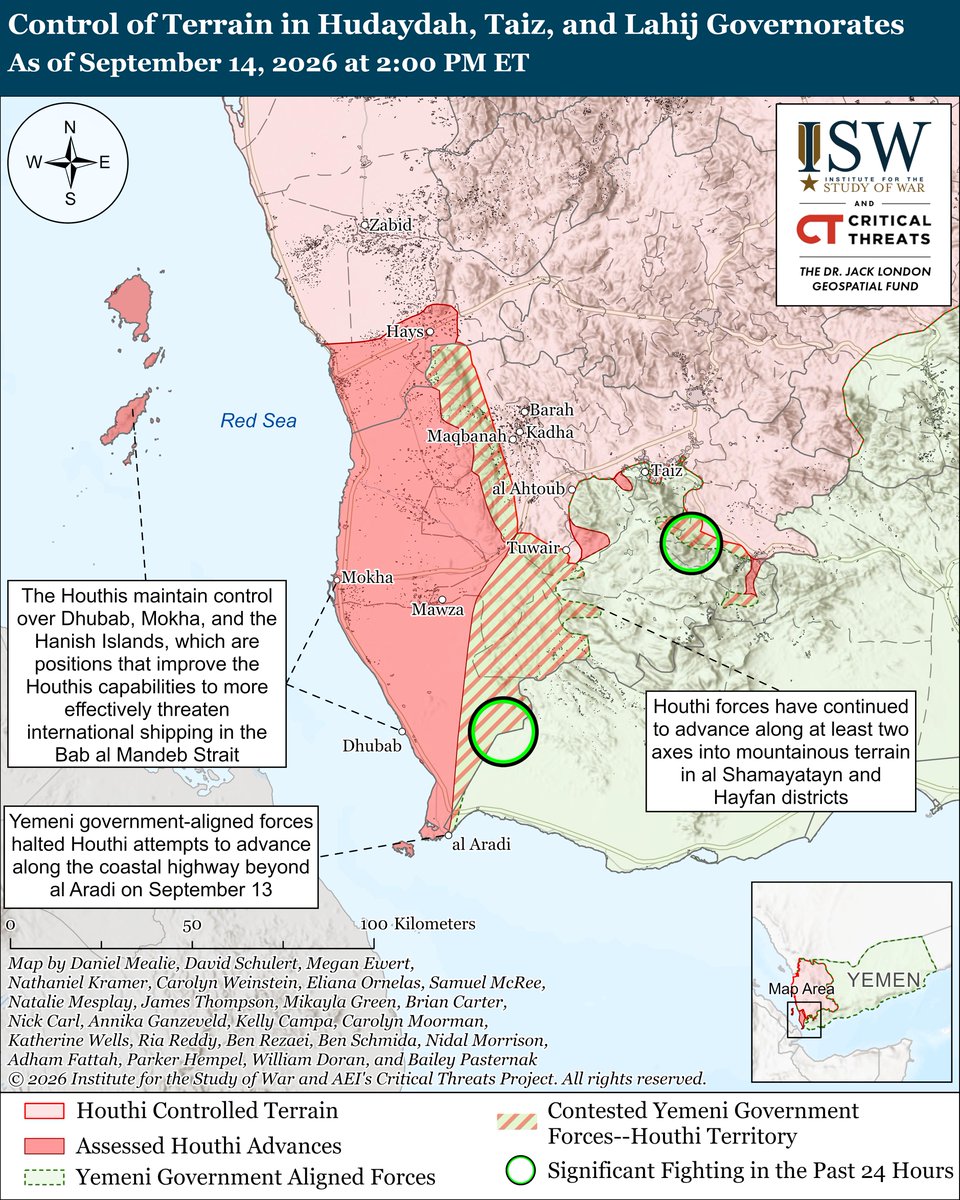
The most compelling angle: the three countries have entirely distinct security interests. Turkey focuses on Syria and the Eastern Mediterranean, Pakistan on India and Afghanistan, and Saudi Arabia on the Gulf, Yemen, and Iran. No single shared threat unifies their military calculus. The author asks whether Saudi forces will realistically fight alongside Turkish forces in Syria, or whether Pakistan will send troops to support Riyadh against the Houthis. No clear answers exist.
The article discusses 'mini-lateralism': states securing themselves simultaneously through multiple arrangements, much as Saudi Arabia signed a pact with Pakistan in September 2025 and another security deal with Washington in November 2025 without contradiction—a logic closer to free-trade agreements than rigid military alliances. The author warns that trade has clear interests and international arbitration, while military security lacks that clarity and reference.
Even among the closest allies, fragility is evident: the U.S. and Israel currently differ over dealing with Iranian proxies in Lebanon and the Gaza peace plan between Trump and Netanyahu. The conclusion: an alliance that does not account for other regional states' interests may bring more uncertainty than stability. Hedging from all sides does not necessarily make a nation more secure.

Discussion
Comments
No approved comments yet.